BEACON Week 2026- Personal Identity, Data and Democracy in times of AI









.png)



What does it mean to grow up in a world where information is constant, data is powerful, and artificial intelligence is shaping the way we think, decide, and interact?
This year’s edition of BEACON Week invited our secondary students to explore these questions with curiosity, responsibility, and critical awareness. In BEACON Week 2026, we placed a deliberate emphasis on Approaches to Learning (ATL) skills, particularly media literacy and information literacy, and we also encouraged students to reflect on their relationship with AI. At the heart of the experience was a desire to help students better understand how identity, data, and personal and social practices are influenced by the digital world they navigate daily.
We wanted to send a clear message: in a time where misinformation and disinformation can spread rapidly, where algorithms may reinforce bias, and where data can influence democratic processes, students must be equipped not only to consume information, but to question it, analyse it, and respond to it thoughtfully. This is the reason why, in this edition of BEACON week, we included workshops and presentations in which students explored topics such as gender bias in AI, the ethical implications of data usage, and the ways in which technology can shape public opinion and civic participation.
However, not everything was about AI. This year’s BEACON Week kicked off with a series of Pechakucha presentations through which Ms. Christina, Ms. Miyulki, Mr. Tim and Mr. David engaged us in their personal narratives. We followed up with our DP1 students' reflection on the work of Banksy, and we also enjoyed taking part in poetry recitals in French, election process simulations and a debate workshop, and Ms. Parinaz and her HS1 Visual Arts students displayed the artworks they have produced. Likewise, this edition was filled with the richness of perspectives shared by our guest speakers. We were honoured to welcome Zeenath Khan, whose work as a fiction writer encouraged students to reflect on voice, narrative, and the importance of telling our own story before someone else does. Francesco Vecchi brought valuable insights into EU digital policy and communication strategy, helping students understand the broader frameworks that govern the digital landscape. Alexandra Osintseva shared her perspective on gender bias and AI, while students from the University of Leuven offered relatable and thought-provoking contributions grounded in their own academic journeys. Likewise, Silke Wettach, former senior EU correspondent, challenged students to consider the role of journalism, bias, and responsibility in an era of fast-moving information.
These contributions align closely with our definition of learning at Bogaerts International School North Campus. BEACON Week exemplifies our commitment to diversifying the learning experiences our students have, our commitment to bringing voices, perspectives, and expertise into our learning community to deepen understanding and inspire action.
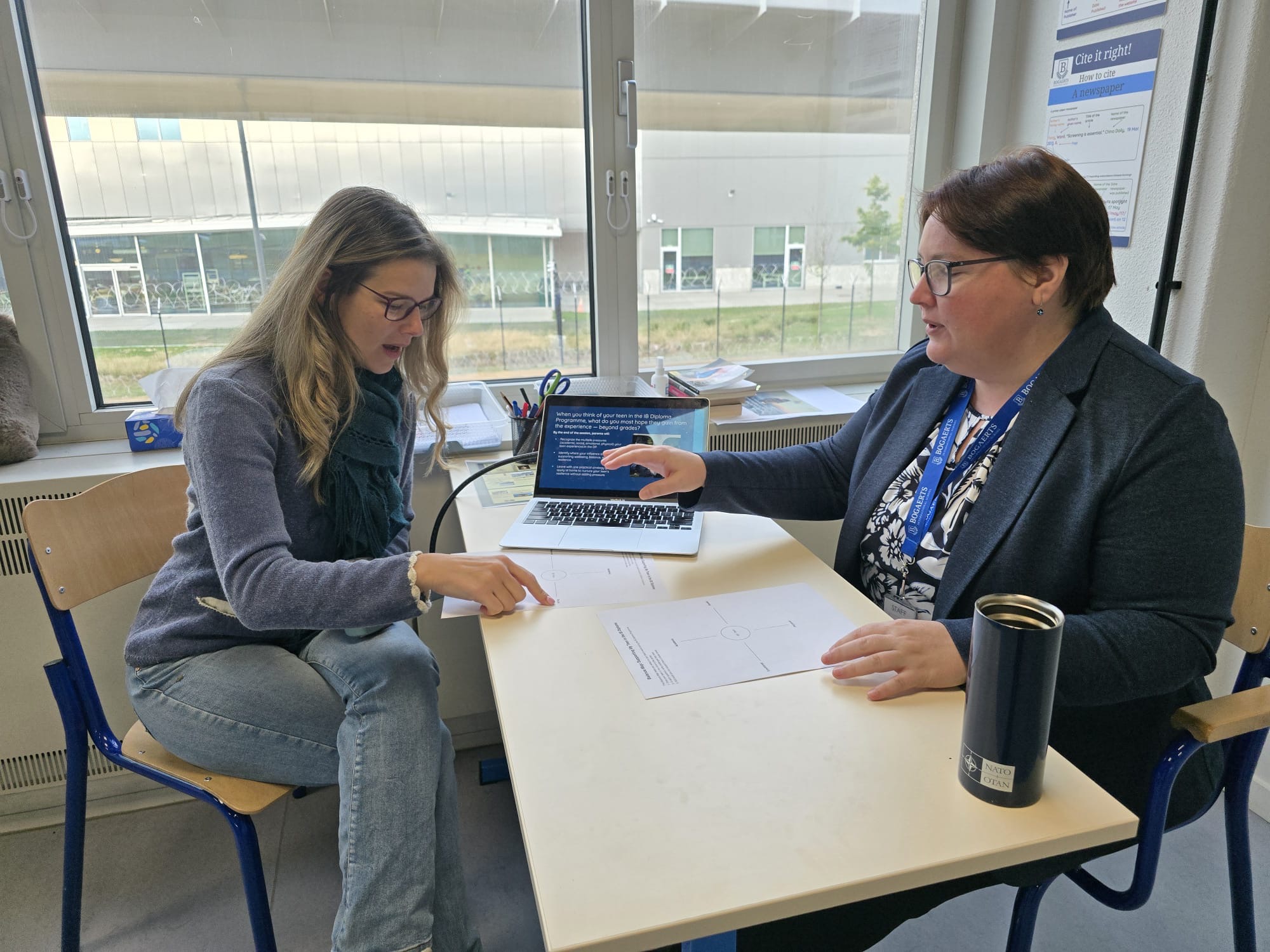
As we reflect on this powerful week of learning, we invite our parent community to continue these conversations at home. Ask questions, share perspectives, and explore together what it means to navigate a world shaped by data, technology, and evolving identities. The conversations we begin now will become foundations for the reflections that we may experience in our future.


Explore, experience, and join our community.

.webp)
